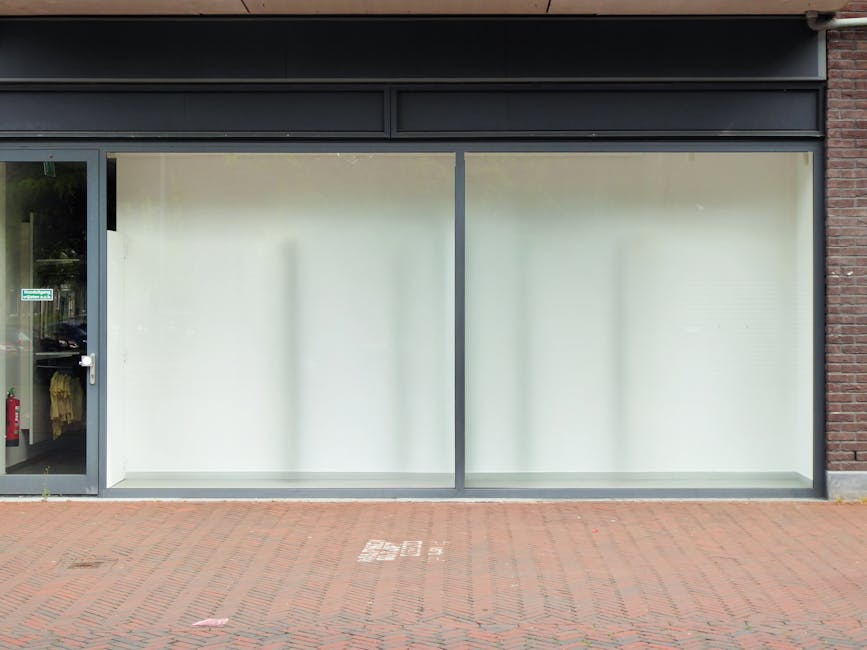
Commercial shop frontage case study gardeners Manor Park
If you run a shop in Manor Park, the frontage is doing a lot more work than most people realise. It greets customers, frames your brand, and quietly tells passers-by whether your place feels cared for or not. A well-kept commercial frontage can make a small unit feel welcoming and a tired one look active again. This commercial shop frontage case study gardeners Manor Park guide breaks down what actually matters, how the work is typically delivered, and what business owners should look for before they commit.
Truth be told, a frontage project is rarely just "some tidying up". It can involve planting, edging, hedge trimming, lawn care, clearance, hard landscaping touches, and a maintenance plan that keeps everything looking sharp on a wet Tuesday morning, not just on the day of completion. That is the real test. And yes, the small details matter.
In this article, you will find a practical explanation of the process, the benefits, the common mistakes to avoid, and a realistic example of how a shop frontage project can be approached in a busy London setting. If you want a broader sense of the wider service range first, the services overview is a useful place to start.
Contents
- Why Commercial shop frontage case study gardeners Manor Park Matters
- How Commercial shop frontage case study gardeners Manor Park Works
- Key Benefits and Practical Advantages
- Who This Is For and When It Makes Sense
- Step-by-Step Guidance
- Expert Tips for Better Results
- Common Mistakes to Avoid
- Tools, Resources and Recommendations
- Law, Compliance, Standards, or Best Practice
- Options, Methods, or Comparison Table
- Case Study or Real-World Example
- Practical Checklist
- Conclusion
- Frequently Asked Questions
Why Commercial shop frontage case study gardeners Manor Park Matters
A commercial frontage is not just decoration. It is part of the customer journey before a customer even opens the door. People notice whether the entrance is tidy, whether the planting feels intentional, and whether the outside space looks like it belongs to a business that pays attention. In Manor Park, where shops often sit close to the pavement and the street scene changes quickly through the day, that first impression can be especially important.
There is also a practical side. Overgrown edges, weeds in planters, damaged borders, or clutter around the entrance can make a frontage feel neglected. That can affect confidence, reduce footfall interest, and make routine cleaning more awkward than it needs to be. A good frontage plan supports the business instead of competing with it. Simple idea, but it works.
For many businesses, the goal is not a dramatic makeover. It is consistency. A frontage that looks good from Monday to Friday, not just after a one-off tidy. That is why shop front maintenance often links naturally with ongoing garden maintenance and, where needed, seasonal cut-backs or boundary shaping through hedge trimming.
Expert summary: the best commercial frontages are usually the ones that look calm, clean, and deliberate. Nothing flashy. Just well-managed, easy to read, and obviously cared for.
How Commercial shop frontage case study gardeners Manor Park Works
In practice, a frontage job starts with a walk-through. The contractor looks at the entrance, pavement edge, planting, access points, drainage concerns, visibility, and any awkward areas where debris tends to collect. If the frontage includes tired planting beds or a neglected strip along the building, that is often where the biggest visual gains can be made.
From there, the scope is usually shaped around the business type. A cafe may want something soft and welcoming. A convenience store may need a neat, low-maintenance look that stays tidy all week. A salon or professional unit may prefer a sharper, more structured feel. The work can include simple clearance, border reshaping, improved plant selection, surface clean-up, and regular upkeep visits.
Sometimes the issue is not a lack of planting at all. Sometimes it is the wrong planting. Too much volume, the wrong height, or a mix that looks fine in spring but becomes messy by late summer. That is where professional landscaping judgement comes in. If you need a more complete external transformation, landscaping and landscape gardening can be used to reshape the frontage into something cleaner and more durable.
Where the frontage includes turf or grass strips, routine lawn mowing may be part of the plan. If there are dense shrubs or boundary plants, they may need a more careful approach. In more overgrown cases, a one-off garden clearance can reset the site before regular maintenance begins.
And no, it does not need to become a giant project. Often it is the combination of small improvements that changes the whole impression. A cleaner line here. A neater edge there. Better visibility at the doorway. That sort of thing.
Key Benefits and Practical Advantages
A strong shop frontage offers more than good looks. It solves several everyday problems at once. If you are weighing up whether the work is worth doing, these are the benefits most business owners tend to notice first.
- Better first impressions: people assess a shop from the outside before they invest time inside.
- Improved visibility: a tidy frontage helps the entrance stand out rather than disappear into clutter.
- Lower maintenance stress: a planned frontage is easier to keep under control than a reactive one.
- Safer access: clear edges, reduced debris, and well-kept planting can help customers and staff move around more confidently.
- Brand consistency: the exterior can support the business image, even if the premises are compact.
- More predictable costs: regular upkeep is usually easier to plan than repeated rescue work.
There is also a quieter benefit that is easy to overlook. A frontage that looks maintained can influence how the whole business feels. Staff notice it. Returning customers notice it. Even the person delivering stock notices it. Small things, but they add up.
If your frontage includes timber features, planters, or raised edges, a light-touch design upgrade may also benefit from decking services where that material makes sense for the layout. Not every frontage needs it, of course. But when it fits, it can help define the space neatly.
Who This Is For and When It Makes Sense
This kind of work is relevant to a wide range of businesses. Retail shops, salons, takeaways, local service offices, clinics, and small hospitality premises all benefit from a frontage that looks cared for. If your business depends on walk-ins, it matters even more.
It makes sense when:
- the frontage looks tired, patchy, or overgrown;
- customers have difficulty spotting the entrance;
- weeds, debris, or dead planting keep coming back;
- the outside area no longer reflects the quality of the business inside;
- you are preparing for a relaunch, lease change, or seasonal refresh;
- you need a maintenance plan rather than a one-off tidy.
Some businesses also use frontage work to prepare for busy periods. A spring reset, for example, can make a noticeable difference before footfall picks up. Likewise, a late-autumn tidy can prevent the place from looking scruffy through the darker months. You do notice the difference when the light changes and every little mess suddenly shows up.
If the site has been neglected for a while, it may be better to begin with a full reset and then move into a lighter recurring service. That approach is often more efficient and less frustrating for everyone involved.
Step-by-Step Guidance
Here is a practical way to think about a commercial frontage project from start to finish. It is not the only route, but it is a sensible one.
- Assess the frontage honestly. Look at what customers actually see from the street, not just what you see from the doorway.
- Identify the problems. Is it weeds, poor planting, awkward layout, low visibility, messy borders, or all of the above?
- Set the purpose. Decide whether the priority is cleaner presentation, better access, reduced upkeep, or a more polished brand image.
- Choose the right level of intervention. Some frontages need only maintenance. Others need clearance and rework before anything else.
- Plan the surface and boundary details. Edges, borders, and transition areas matter more than people think. They are where the eye goes first.
- Agree a maintenance rhythm. Weekly, fortnightly, or seasonal visits all have different advantages depending on plant growth and use of the space.
- Review after completion. The best results are adjusted after the first few weeks, once you see how the frontage behaves in real conditions.
In many cases, it helps to think in layers: remove the clutter first, shape the structure second, then maintain the result. That sequence keeps the work manageable and avoids throwing money at cosmetic fixes before the basics are right.
Expert Tips for Better Results
After you have seen enough frontages, a pattern emerges. The ones that stay looking good are usually the ones designed with maintenance in mind from day one.
1. Keep the planting simple. A modest, well-chosen scheme often performs better than something overcomplicated. If a plant struggles with shade, foot traffic, or heat reflected from walls, it will keep punishing you. Harsh, but true.
2. Use repetition. Repeated shapes or plant types create calm. Random mixtures can look busy in a bad way, especially on a narrow frontage.
3. Prioritise the entrance zone. Customers spend a second or two deciding if the place feels open and easy to approach. That little threshold matters.
4. Make sure the frontage can be cleaned easily. If leaves, litter, or soil gather in tricky corners, the appearance will slide between visits.
5. Think about winter as well as summer. A frontage that looks great in June but bleak in January is only doing half the job.
6. Keep communications clear. If a contractor is going to work around opening hours, deliveries, or customer access, that should be agreed early. Nobody wants a ladder blocking the entrance at peak time. We have all seen that sort of thing go sideways.
It is also wise to ask about waste handling and how the work will be cleared away afterwards. If you want a provider who treats offcuts and green waste carefully, the recycling and sustainability approach is worth considering as part of the decision-making process.
Common Mistakes to Avoid
Frontage work can go wrong in predictable ways. Most of them are avoidable once you know what to watch for.
- Choosing looks over upkeep: a frontage that looks clever on day one but is hard to maintain often becomes a burden.
- Ignoring scale: too much planting in a tight space can make a shop look smaller and more cluttered.
- Forgetting access: if customers, staff, and deliveries must all share the same area, the layout needs to stay practical.
- Skipping the reset phase: trying to maintain an overgrown frontage without clearing it first usually wastes time.
- Not planning for seasons: some features look tidy in one season and messy in another.
- Leaving maintenance vague: "we will see how it goes" is not a plan, really.
Another common issue is overpromising on finish level. A good contractor should be honest about what can be achieved within the space and the budget. If there are major structural issues, drainage problems, or damaged edges, those need to be addressed first or at least acknowledged. A polished surface can only do so much if the bones underneath are off.
For businesses with larger grounds, boundary growth, tall shrubs, or awkward trees near the frontage, more specialist work may be needed. In those cases, tree lopping and removal can become relevant, although it should always be assessed carefully and handled with appropriate judgment.
Tools, Resources and Recommendations
You do not need a huge arsenal of equipment to manage a commercial frontage well, but the right tools make the difference between a rushed tidy and a controlled finish.
| Need | Useful approach | Why it helps |
|---|---|---|
| Regular tidiness | Scheduled maintenance visits | Keeps growth and litter from building up |
| Resetting neglected areas | One-off clearance first | Creates a usable base for future work |
| Sharp edges and borders | Edging, trimming, and careful definition | Makes the frontage look intentional |
| Better visual structure | Simple landscaping changes | Improves the shape without overcomplicating it |
| Long-term control | Clear maintenance schedule | Prevents the same issues returning every month |
In recommendation terms, it is usually better to choose a contractor who can explain the difference between a tidy-up and a long-term frontage plan. Those are not the same thing. If you are still comparing service options, a sensible next step is to review the full services overview alongside the specific pages for garden maintenance and clearance, then decide what level of support fits the site best.
If your frontage is functioning almost like an outdoor room, with seating, display areas, or a small customer waiting space, that can also overlap with broader landscape gardening decisions. The aim is always the same: make the outside easier to live with.
Law, Compliance, Standards, or Best Practice
Any commercial frontage work should be approached with sensible care around access, safety, waste handling, and business continuity. In the UK, that usually means thinking about how the work affects customers, staff, neighbours, and anyone passing by. You do not need to turn it into a legal drama, but you do need a tidy process.
Best practice usually includes:
- keeping entrances safe and usable during work where possible;
- managing tools and materials so they do not obstruct the pavement or doorway;
- ensuring waste is removed responsibly;
- working in a way that respects neighbouring premises;
- being clear about insurance, safety expectations, and site control.
If the work involves heights, heavy cutting, or trees close to public areas, caution becomes even more important. Likewise, if access is tight or the frontage sits close to a busy road, the planning stage should be taken seriously. This is where proper contractor procedures matter more than flashy marketing.
For peace of mind, it can help to ask how a provider handles insurance and site safety, what their health and safety approach looks like, and how they respond if something goes wrong. The relevant policy pages, such as health and safety policy, insurance and safety, and complaints procedure, are useful signals of how seriously those basics are taken.
That may sound a bit dry, fair enough. But dry details often save the wet headaches later.
Options, Methods, or Comparison Table
Not every commercial frontage needs the same solution. Some only need a periodic tidy. Others need re-design and then maintenance. Here is a simple comparison to help frame the choice.
| Approach | Best for | Pros | Limitations |
|---|---|---|---|
| Basic maintenance | Frontages already in decent shape | Lower disruption, steady appearance | Won't fix deeper layout or planting issues |
| Clearance plus reset | Overgrown or neglected sites | Fast visual improvement, clean starting point | May still need redesign afterwards |
| Light landscaping refresh | Frontages needing better structure | Improves flow and visibility | Requires more planning and coordination |
| Full frontage redesign | Sites with poor layout or repeated problems | Best long-term result | Higher effort and usually more budget |
For many local businesses, a blended approach works best. Clear first, then shape, then maintain. It is rarely glamorous. It is just effective. And that tends to be what business owners actually want.
Case Study or Real-World Example
Here is a realistic example of how this kind of project might unfold in Manor Park.
A small shop had a frontage that looked uneven and a bit forgotten. The entrance itself was fine, but the edges had become messy, the planting had outgrown its space, and bits of debris kept building up near the doorway. From the street, the place did not look uninviting exactly, but it did not look confident either. You could almost feel people glancing once and walking on.
The first step was a clearance and tidy-up. Overgrowth was reduced, loose material was removed, and the border lines were re-established so the frontage had a clean shape again. Next came a simple redesign of the visible planting area. Instead of too many competing features, the layout was simplified so the eye could read it quickly. A small amount of structure went a long way.
After that, a maintenance routine was set. The aim was not to reinvent the frontage every week. It was to stop the decline, keep the edges crisp, and make sure the entrance looked intentional. That is the quiet trick with most commercial shop frontage work: the job is not finished when the tools are packed away. It is finished when the result can be kept looking good without constant rescue work.
In this sort of scenario, the mix of garden clearance, landscaping, and regular garden maintenance usually makes more sense than chasing a one-off cosmetic fix. That is the difference between patching and planning.
Practical Checklist
Use this checklist before starting or reviewing a frontage project.
- Is the entrance clearly visible from the street?
- Are borders, edges, and planters tidy and purposeful?
- Does the frontage look easy to maintain week after week?
- Are there any access issues for customers or staff?
- Does the planting suit the amount of light and foot traffic?
- Is there a plan for weeds, debris, and seasonal growth?
- Will the finish still look decent in poor weather?
- Has waste removal been considered?
- Is there a maintenance schedule after the initial work?
- Have safety, insurance, and site control been discussed?
Quick note: if you cannot answer three or four of those clearly, the frontage probably needs a more structured plan than a quick tidy.
If you are comparing costs and want to understand how scope affects pricing, it is sensible to check pricing and quotes before you decide on the next step. Transparent quoting makes the whole process less awkward. Nobody enjoys mystery invoices.
Conclusion
A commercial shop frontage is one of those things that quietly shapes how a business is perceived every single day. In Manor Park, where shops rely on quick impressions and steady local footfall, a neat and well-planned frontage can make a real difference. It does not need to be elaborate. It needs to be clear, maintained, and suited to the space.
The best results usually come from a practical sequence: clear the mess, improve the structure, and build a maintenance rhythm that keeps the frontage easy to live with. That is the heart of a strong commercial frontage strategy. No drama. Just a frontage that does its job properly.
If your outside space is no longer supporting the business as well as it should, now is a sensible time to review the condition, talk through the options, and choose an approach that suits the site rather than fighting it.
Get a free quote today and see how much you can save.
A calm, well-kept frontage can lift the whole mood of a place, and sometimes that is exactly what a business needs.
Frequently Asked Questions
What is a commercial shop frontage case study gardeners Manor Park really about?
It is a practical look at how a shop frontage can be improved, maintained, and kept presentable for customers in a local commercial setting. The focus is on real-world use, not just appearance.
Why does frontage maintenance matter so much for a shop?
Because the outside is often the first thing customers see. A tidy frontage helps the business look organised, welcoming, and easier to trust before anyone steps inside.
Do commercial frontages need more than one-off gardening work?
Usually, yes. One-off work can help, but most shopfronts stay at their best with regular maintenance, seasonal adjustments, and occasional clearance if growth becomes heavy.
What kind of services are commonly used on a shop frontage?
Depending on the site, that may include garden maintenance, hedge trimming, lawn mowing, garden clearance, landscaping, or a broader frontage refresh.
How do I know if my frontage needs a full reset?
If weeds, overgrowth, clutter, or poor layout keep returning, a full reset is often the best starting point. It gives you a clean base to work from.
Is landscaping worth it for a small retail unit?
It can be, especially if the current frontage feels awkward or underused. Even modest changes to structure, borders, or planting can improve the look without making the space feel crowded.
How often should a commercial frontage be maintained?
That depends on growth, usage, and the type of planting or surface involved. Busy or fast-growing sites usually need more regular attention than simple, low-maintenance ones.
What are the biggest mistakes businesses make with frontage work?
The main ones are overcomplicating the design, ignoring maintenance needs, and failing to clear the site properly before trying to improve it.
Can frontage work be done without disrupting customers?
Often, yes, if the work is planned carefully. Good scheduling, clear access arrangements, and sensible site control make a big difference.
How do I compare providers for this kind of work?
Look at their range of services, how clearly they explain the work, whether they discuss safety and insurance, and whether their quotes are easy to understand.
What should I ask before booking commercial frontage work?
Ask what is included, how waste will be handled, how access will be managed, and whether the plan includes follow-up maintenance. Those are the questions that save headaches later.
Where can I learn more about related services on the same site?
You can review the services overview for a broader picture, then move into the specific pages that match your site's needs most closely.