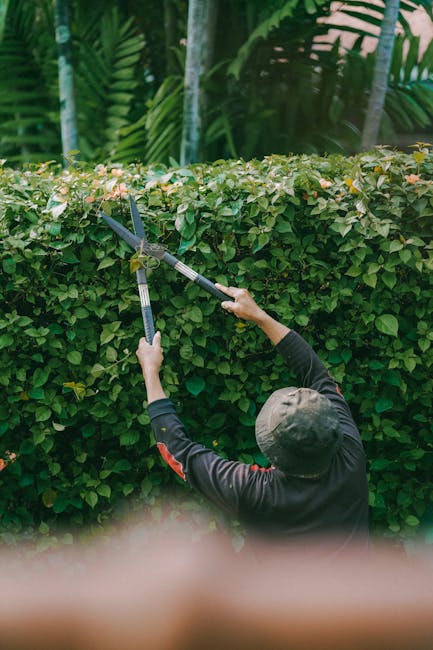
Manor Park gardeners real cost guide and quotes

If you have been trying to work out what you should actually pay for gardening help in Manor Park, you are not alone. Prices can feel oddly vague until you ask the right questions, and then suddenly you realise one job is a tidy hour of work while another is a full-day slog with bags, tools, and maybe a trailer load of green waste. This Manor Park gardeners real cost guide and quotes article breaks the process down in plain English so you can compare services, understand what changes the price, and request quotes with a bit more confidence.
Whether you need simple lawn mowing, seasonal hedge trimming, ongoing garden maintenance, or a bigger clear-out, the aim is the same: avoid overpaying, avoid guesswork, and get a result that makes sense for your garden and your budget. Truth be told, a good quote is never just a number. It is a little snapshot of the work, the labour, the waste, and the risk.
Quick expert summary: the real cost of hiring a gardener in Manor Park usually depends more on the size, access, condition, and disposal needs of the job than on the headline service name. The best quotes are specific, itemised where possible, and clear about what is included, what is extra, and when the work will happen. Simple enough in theory. In practice, the details matter.
Why Manor Park gardeners real cost guide and quotes Matters
Gardening prices are easy to misunderstand because the work looks simple from the kerb, but not always once you are standing in the middle of it. A patchy lawn, an overgrown hedge, damp soil, narrow side access, and a bin bag pile-up can all change the time and cost very quickly. That is why a real cost guide matters: it helps you judge whether a quote is fair for the actual job, not just the label on the service.
In an area like Manor Park, where gardens can range from compact urban plots to more layered, mature spaces, quoting has to be based on reality. A gardener who only prices by service name without checking condition may miss the hidden work. Then the customer gets a surprise later. Nobody likes that. Not the client, not the gardener.
This is also where trust comes in. A clear quote gives you confidence before anyone steps into the garden. You know whether the price includes labour, tidy-up, waste removal, and any specialist equipment. You also get a better feel for the contractor's professionalism. If they ask sensible questions about access, overgrowth, or debris, that is usually a good sign.
For larger jobs, it can help to look at the wider service picture too. A lot of garden work sits within a broader range of services, which is why a page like the services overview can be useful when you are deciding whether you need one-off help or ongoing support. And if you are comparing pricing structures, the dedicated pricing and quotes page is a sensible starting point before you request anything formal.
The short version? Understanding cost is not about chasing the cheapest gardener. It is about knowing what you are paying for, and whether that payment matches the outcome you actually want.
How Manor Park gardeners real cost guide and quotes Works
The quoting process usually starts with a short description of the job and then moves into a few practical questions. How big is the garden? Is the work routine or a one-off? Does waste need collecting? Are there awkward corners, steep sections, heavy pruning, or access issues? These details shape the price far more than the service title alone.
There are usually three common ways quotes are built:
- Hourly pricing - useful when the job is flexible or difficult to scope precisely.
- Fixed pricing - better for clearly defined work, such as a set hedge trim or a garden clearance with agreed boundaries.
- Visit-based quotation - where the gardener assesses the site before pricing, which is often the safest option for larger or messier jobs.
Hourly pricing sounds simple, but it is only truly fair if the task is reasonably predictable. Fixed pricing is often preferred by homeowners because it creates certainty. But fixed price only works well when everyone agrees on the scope first. Otherwise, you can get the classic problem of, "I thought that was included." A familiar one, sadly.
If the work involves garden clearance, the quote may also depend on the volume and type of waste, whether there are thorny cuttings or wet material, and whether the team needs extra time for loading and disposal. If it is a longer-term maintenance arrangement, the price might be spread across recurring visits rather than charged as a one-off.
Good quotes also tend to explain the timing. A same-day tidy-up is different from a planned weekend booking. Seasonal demand matters too, especially in spring and early summer when everyone suddenly notices the lawn again. Funny how that works.
Key Benefits and Practical Advantages
Getting a proper quote does more than tell you a number. It improves the whole decision-making process. Here are the main benefits that matter in real life:
- Budget control - you can plan the job around what you are comfortable spending.
- Clear scope - everyone knows what is included before the first cut is made.
- Better comparisons - you can compare gardeners on quality, detail, and service rather than guesswork.
- Reduced risk of add-ons - the more specific the quote, the fewer awkward surprises later.
- Better timing - you can choose whether to prioritise urgent jobs or schedule work sensibly.
There is also a peace-of-mind element that people underestimate. When a quote is transparent, you feel more comfortable letting the team get on with the work. You are not standing at the window wondering what is happening, or whether the bill will jump at the end. That calm matters.
From a maintenance point of view, a good quote can also help you decide whether routine care is better value than repeated emergency clear-ups. If your garden always gets out of hand in the same few months, an arranged maintenance plan may be less stressful and, in practice, easier on the wallet over time.
For jobs involving bigger garden makeovers, it is often worth comparing the quote with broader services such as landscape gardening or landscaping, because sometimes the best value comes from solving several issues in one visit rather than booking fragments of work separately.
Who This Is For and When It Makes Sense
This guide is useful if you are a homeowner, landlord, tenant, letting agent, or even just someone trying to rescue a garden that has become a bit... well, wild. It is especially relevant if you are:
- comparing local gardening services in Manor Park for the first time
- trying to understand why one quote is much higher than another
- planning seasonal work such as mowing, trimming, or tidying
- dealing with an overgrown or neglected outdoor space
- budgeting for multiple jobs across a few weeks or months
It also makes sense when you do not want to waste time chasing vague estimates. If you only need a quick mow, then asking for a long, detailed survey may be overkill. But if the garden is heavily overgrown, or if there are safety concerns such as unstable branches, then a proper assessment is worth every minute.
People often ask whether they should book a gardener before or after getting quotes from other trades. The honest answer is: if the work is clearly gardening-related, get the gardening quote first. If the project blends planting, hard landscaping, and timber work, it may be better to work from a broader scope. Services like decking services or tree-related work may need a more tailored approach than standard garden maintenance.
And yes, if your hedge has turned into a minor privacy fortress, you are exactly the kind of person this article is for.
Step-by-Step Guidance
Here is the simplest way to approach getting realistic gardener quotes in Manor Park without turning the process into a chore.
- List the actual tasks. Write down what needs doing in plain terms: mow the lawn, cut back the hedge, remove dead plants, clear waste, tidy borders, and so on.
- Separate urgent work from optional work. Safety issues or heavy overgrowth come first. Cosmetic improvements can often wait a week or two.
- Measure what you can. You do not need exact surveyor-style precision, but rough dimensions help. A small front garden is not priced like a long rear garden with awkward access.
- Note access and waste details. Can equipment get through the side path? Is there a rear gate? Will bags need carrying through the house? These things genuinely affect labour time.
- Ask for a written quote. A message or email summary is better than relying on memory after a phone call. Memory gets fuzzy. Especially when the garden is currently full of twigs and stress.
- Check what is included. Does the price cover cutting, collection, disposal, and tidy-up? Or is it labour only?
- Compare like for like. The cheapest quote is not really the cheapest if it excludes waste removal or assumes shorter labour than the job actually needs.
- Confirm timing and payment terms. Ask when the work can be done, how long it should take, and when payment is due. If a provider offers secure payment handling, that is another useful sign of good practice. You can review the general approach on payment and security.
A small but useful tip: send photos from multiple angles. Morning light, afternoon light, whatever shows the space honestly. A single flattering photo can hide a lot, and not always on purpose. A quote is better when the gardener sees the real situation.
Expert Tips for Better Results
To get better pricing and a better finish, there are a few habits that make a real difference.
- Be specific about your outcome. "Make it neat" is helpful, but "cut the hedge to roughly chest height and clear the clippings" is even better.
- Ask whether waste is included. Waste disposal can change the cost a lot, especially after a clearance job.
- Prioritise regular care for stubborn gardens. A garden that is maintained every few weeks is usually cheaper to keep tidy than one left alone for months.
- Use the quote to spot professionalism. Clear language, fair questions, and a sensible explanation of scope usually matter more than a flashy sales pitch.
- Think in stages for bigger projects. If the garden needs both clearing and redesign, stage one may be practical clearance, followed by planting or layout changes later.
For hedge-heavy gardens, a more specialised service can be the better fit, and that often gives cleaner pricing too. Likewise, if lawn health is a major concern, you may want to compare one-off work against scheduled lawn mowing visits or ongoing garden maintenance.
Here is the honest bit: the best quote is not always the lowest. It is the one that leaves you least likely to be annoyed later. And let's face it, no one wants to stand there after the job thinking, "Well, that escalated."
Common Mistakes to Avoid
Most pricing problems come from a handful of very ordinary mistakes. They are easy to avoid once you know what to look for.
- Not defining the scope - if the work is unclear, the quote will be too.
- Comparing vague quotes with detailed quotes - these are not the same thing, even if the numbers look similar.
- Ignoring access restrictions - carrying tools and waste through a narrow side passage is a different job from wheeling everything straight out.
- Assuming waste removal is included - always confirm it.
- Choosing only on price - cheap can become expensive if the finish is poor or the job needs redoing.
- Forgetting to ask about timing - a good price that arrives three weeks too late may not solve your actual problem.
Another common one is underestimating the work involved in a garden that looks manageable from the doorway. You walk out with a cup of tea, take one look at the back fence, and suddenly realise there is more bramble than border. Happens more often than people admit.
If the job includes heavy overgrowth, damaged branches, or awkward tree work, then specialist support may be more appropriate than a general tidy-up. That is where services such as tree lopping and removal become relevant. It is better to match the job to the right service than to force a cheaper, less suitable option.
Tools, Resources and Recommendations
You do not need a toolbox full of specialist kit to get a good quote, but a few simple resources make the process smoother.
- Phone photos - use them to show access, hedge height, lawn condition, and waste volume.
- A basic garden sketch - not essential, but useful for larger plots or oddly shaped spaces.
- A written task list - keeps the quote focused and reduces confusion.
- Past invoices or notes - if you have used a gardener before, these help you compare rates and task duration.
- Service pages - use them to understand scope before asking for a quote, especially for garden clearance, hedge trimming, and lawn mowing.
For environmentally minded customers, it is also worth asking how green waste is handled. A responsible provider should be able to explain recycling, disposal, and sustainability practices in a simple way. The site's recycling and sustainability page is a useful reference if that matters to you, and for many people it really does.
If you want to understand the business side a bit better before booking, the about us page can help you get a feel for the company's approach, while the contact route is straightforward via the contact us page when you are ready to request a quote or ask a practical question.
Law, Compliance, Standards, or Best Practice
For most domestic gardening jobs, the main concerns are straightforward best practice rather than anything complicated. Still, there are some sensible standards to keep in mind.
Insurance matters. Any gardener working on your property should ideally carry appropriate insurance for the work they do. If tools, ladders, sharp cutting equipment, or waste handling are involved, that becomes more than a formality. A quick check of the provider's insurance and safety information can help you feel more comfortable before booking.
Health and safety matters too. Good practice means safe use of equipment, sensible handling of waste, awareness of trip hazards, and care around pets, children, and fragile surfaces. If you have slippery paths, hidden steps, or overgrown areas, say so. That is not fussiness. It is just useful information.
Terms should be clear. Before accepting a quote, it helps to understand cancellation, payment, and service boundaries. A clear set of terms reduces conflict later, which is why it is worth reading the site's terms and conditions before agreeing to work.
Accessibility and communication are also part of good service. If you need documents or booking information in a more accessible format, the accessibility statement can be a useful reference point. It is a small thing, but it makes a difference when you want information quickly and clearly.
Best practice, in plain terms, is simple: be honest about the garden condition, ask clear questions, and expect the same clarity in return.
Options, Methods, or Comparison Table
Not every gardener quote is built the same way, and different pricing methods suit different jobs. The table below gives a practical comparison.
| Pricing method | Best for | Pros | Watch-outs |
|---|---|---|---|
| Hourly rate | Flexible or uncertain jobs | Easy to start, useful for unpredictable work | Total cost can rise if the job expands |
| Fixed quote | Clear, defined tasks | Budget certainty, easier comparison | Scope must be agreed carefully |
| Site visit estimate | Large, overgrown, or access-limited gardens | Most accurate for tricky work | Takes longer to arrange |
| Ongoing maintenance plan | Regular gardens that need repeat care | Often smoother and less disruptive | Best value depends on commitment level |
For straightforward lawns, a recurring arrangement may be better than repeated one-off visits. For a garden that is badly overgrown, a fixed quote after a visit is usually safer. For mixed projects, such as planting plus cleanup plus hardscape work, a broader estimate from a service like landscape gardening can be more practical than piecing everything together separately.
The main thing is not to force one method onto every job. Different gardens, different shape, different mess. That is the reality.
Case Study or Real-World Example
Here is a realistic example based on the kind of job many Manor Park homeowners ask about.
A small rear garden had a lawn that had gone patchy, a hedge that was leaning into the path, and several bags of old cuttings from previous months. The owner wanted it tidy before visitors arrived in a few days. At first glance, it sounded like a simple trim. In practice, the gardener needed time to cut back the hedge, mow and edge the lawn, collect waste, and clear a narrow route to the back gate so the debris could be carried out safely.
The lesson was not that the price was high. It was that the work was more involved than it looked. Once the tasks were broken down properly, the quote made sense. The owner could see why one service was charged as maintenance and another part as light clearance. No drama. Just a clearer picture.
Another common scenario involves a landlord preparing a property between tenancies. The garden may not be disastrous, but it needs a fast reset. In those cases, quoting works best when the gardener knows the deadline, whether the garden needs to look presentable rather than perfect, and whether bins or waste removal are available on site. That kind of clarity can save both time and money.
And sometimes the real story is simply this: a garden that feels overwhelming on Saturday afternoon becomes manageable once the work is broken into parts on paper. Relief, honestly, is half the value.
Practical Checklist
Use this checklist before you accept a gardener's quote:
- Have I described the job in enough detail?
- Do I know whether the quote includes waste removal?
- Has access to the garden been explained clearly?
- Do I understand whether the price is hourly or fixed?
- Have I asked about timing and availability?
- Is the scope written down somewhere?
- Have I checked whether the work needs specialist support?
- Do I know what happens if the job changes on the day?
- Am I comparing like-for-like quotes rather than rough guesses?
- Does the provider seem clear on safety, insurance, and payment terms?
If you can tick most of those off, you are in a much stronger position. Not perfect, maybe. But a lot better than taking a blind shot and hoping for the best.
Conclusion
Understanding Manor Park gardeners real cost guide and quotes is really about getting control over the decision before the work starts. Once you know what affects pricing, how quotes are built, and which details matter most, the whole process becomes calmer and more predictable. That is the real win.
The best quote is usually the one that reflects the actual job, explains the scope clearly, and leaves no awkward guesswork about waste, access, or timing. If you are planning anything from a light tidy-up to a full garden reset, a careful quote protects your budget and helps the work go smoothly. And that, to be fair, is exactly what most people want when they finally decide to tackle the garden.
Get a free quote today and see how much you can save.
When the garden feels manageable again, the whole place seems to breathe a bit easier. It really does.
Frequently Asked Questions
How do gardeners in Manor Park usually price their work?
Most gardeners price jobs by the hour, by fixed quote, or after a site visit. The right method depends on how clear the task is, how much waste is involved, and whether access is straightforward.
What affects the real cost of gardening services the most?
Size, overgrowth, access, waste removal, equipment needs, and how urgent the job is all affect the cost. A small tidy lawn is very different from a garden clearance with heavy cuttings.
Is a fixed quote better than an hourly rate?
Often, yes, if the job is clearly defined. A fixed quote gives budget certainty. Hourly pricing can work well for flexible jobs, but the final cost is less predictable.
Should waste removal be included in the quote?
It should be confirmed either way. Some quotes include waste removal, others do not. Never assume it is part of the price unless it is clearly stated.
How can I compare two gardener quotes properly?
Compare the scope, the inclusions, the timing, and the pricing method. A cheaper quote may leave out waste, extra labour, or a tidy-up that the other quote includes.
Do I need a site visit before getting a quote?
Not always. Simple jobs can sometimes be quoted from photos and a description. For overgrown, larger, or access-challenging gardens, a site visit is usually the safer option.
What should I send when requesting a quote?
Send a short description of the work, a few photos from different angles, approximate garden size if you know it, and any access or waste details that might affect the job.
Are maintenance visits cheaper than one-off tidy-ups?
They often work out more efficiently over time because the garden is kept under control. A garden that is maintained regularly usually needs less labour than one left to grow wild for months.
What if the gardener finds more work on the day?
A good provider should explain how changes are handled before starting. Sometimes the job can be adjusted. Other times an extra quote is needed. Clarity upfront helps avoid disagreements later.
Do gardening quotes in Manor Park usually include insurance?
Insurance is not always spelled out in a quote, so it is sensible to ask. If the provider has appropriate cover, that is a reassuring sign of professionalism and safer working practice.
Can I get a quote for just hedge trimming or lawn mowing?
Yes. Many people book specific services such as hedge trimming or lawn mowing on their own, especially when the garden only needs a targeted job rather than a full tidy.
How often should I get garden maintenance quotes reviewed?
If your needs change, it is worth reviewing quotes annually or whenever the garden grows into a different pattern of work. A once-a-year review is often enough for routine maintenance, but bigger changes may need earlier attention.